Swachhta Mein Sahbhag – Swachh Bharat, Viksit Bharat

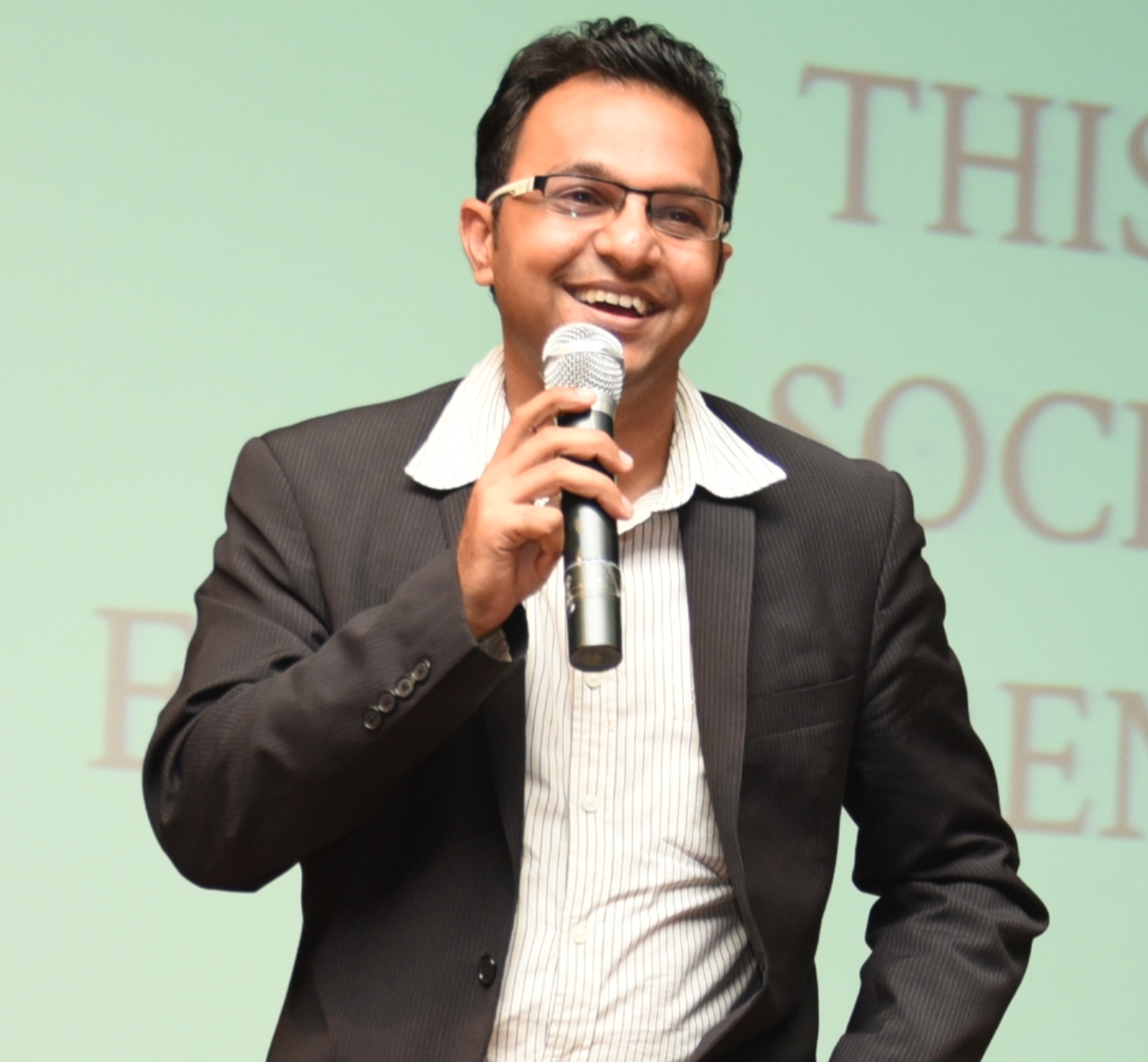
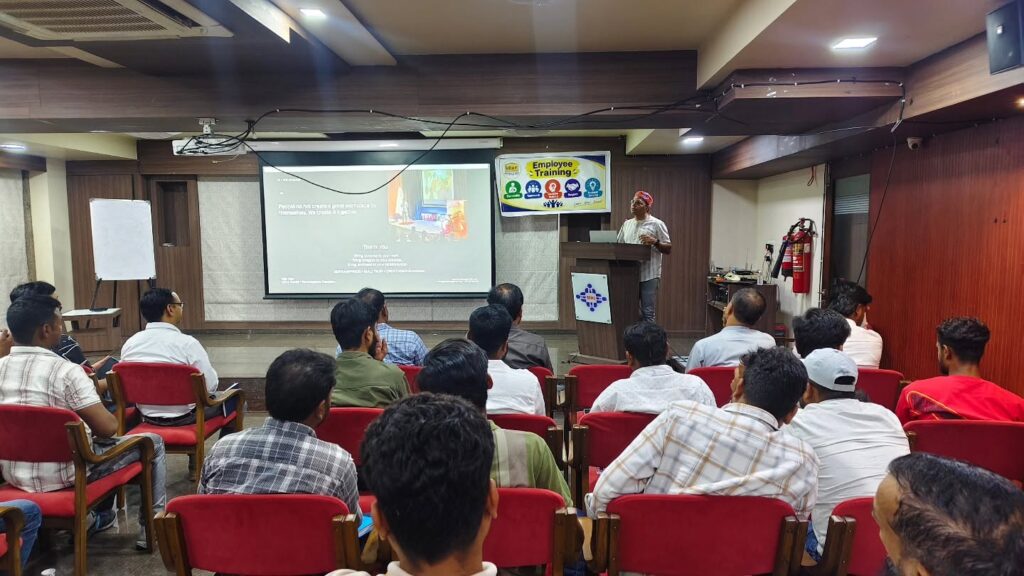
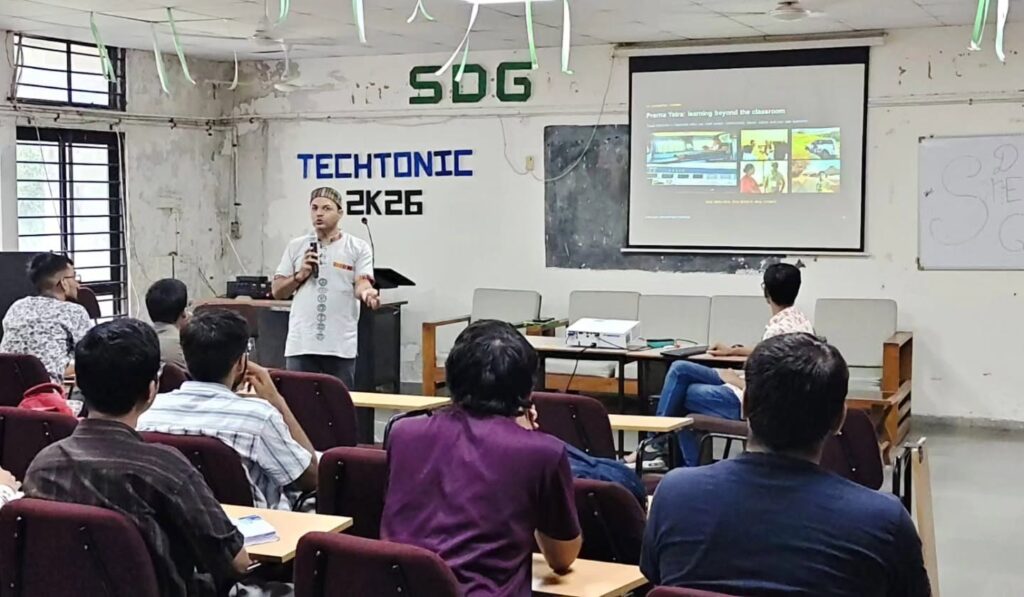
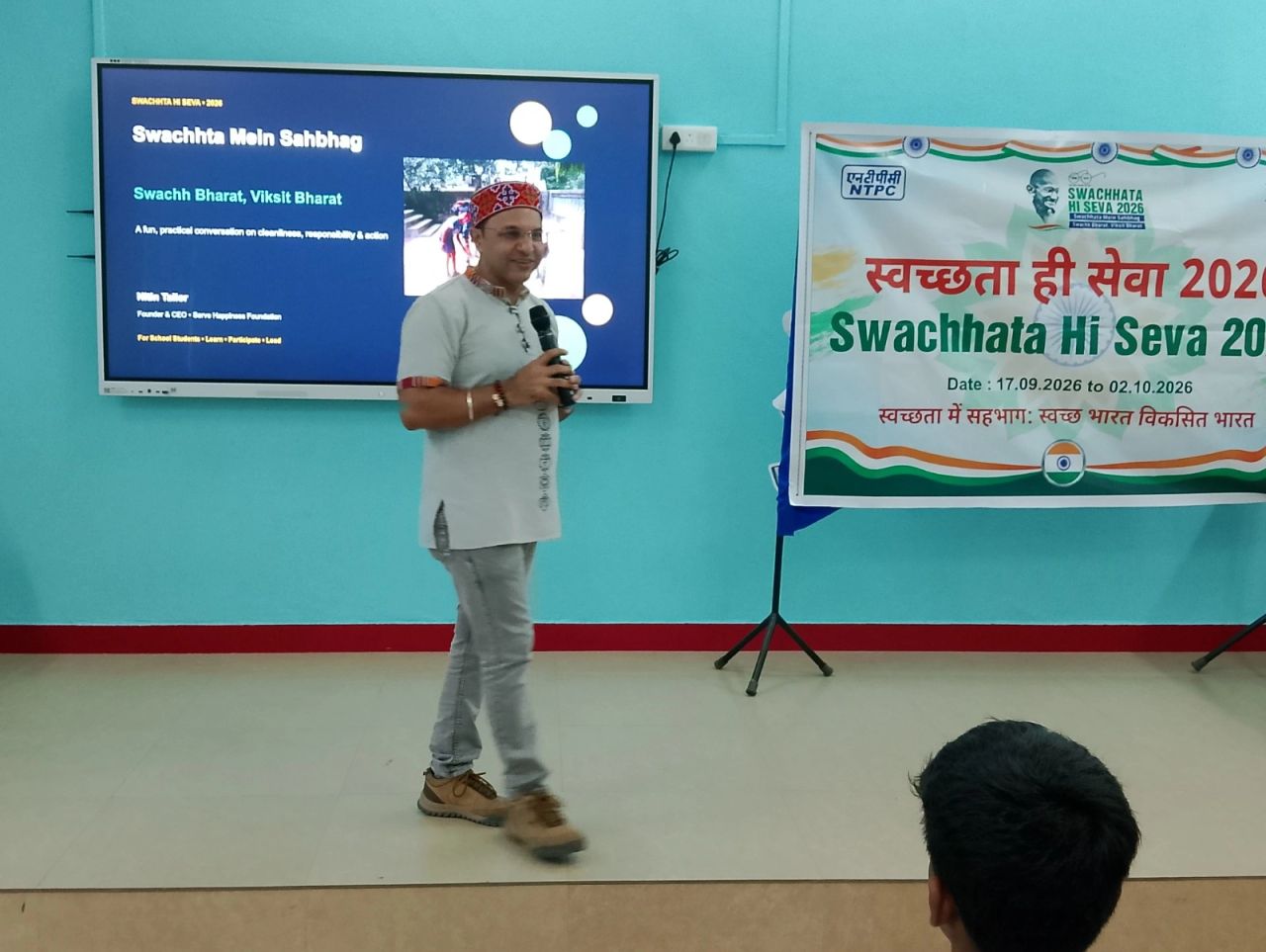
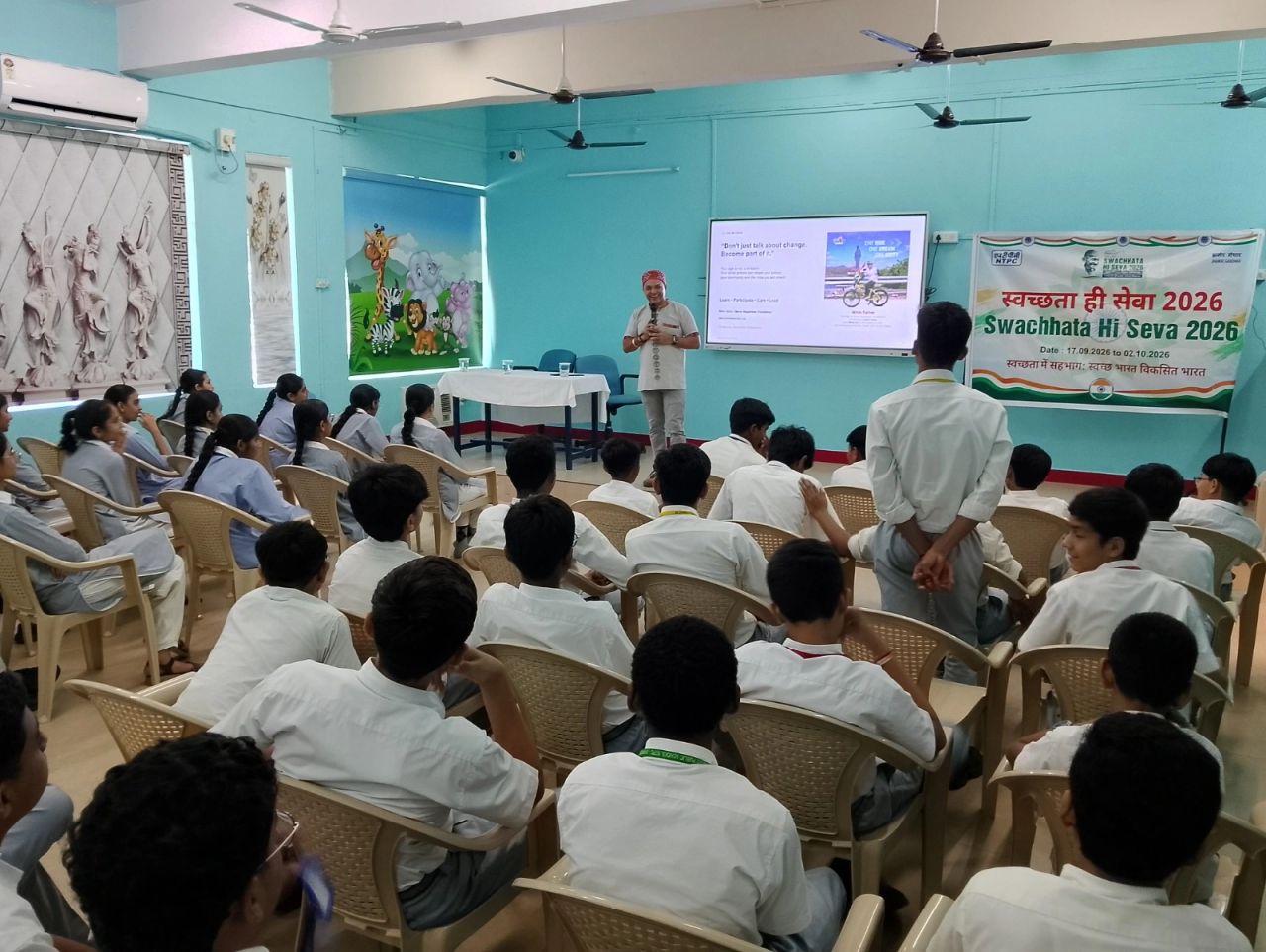
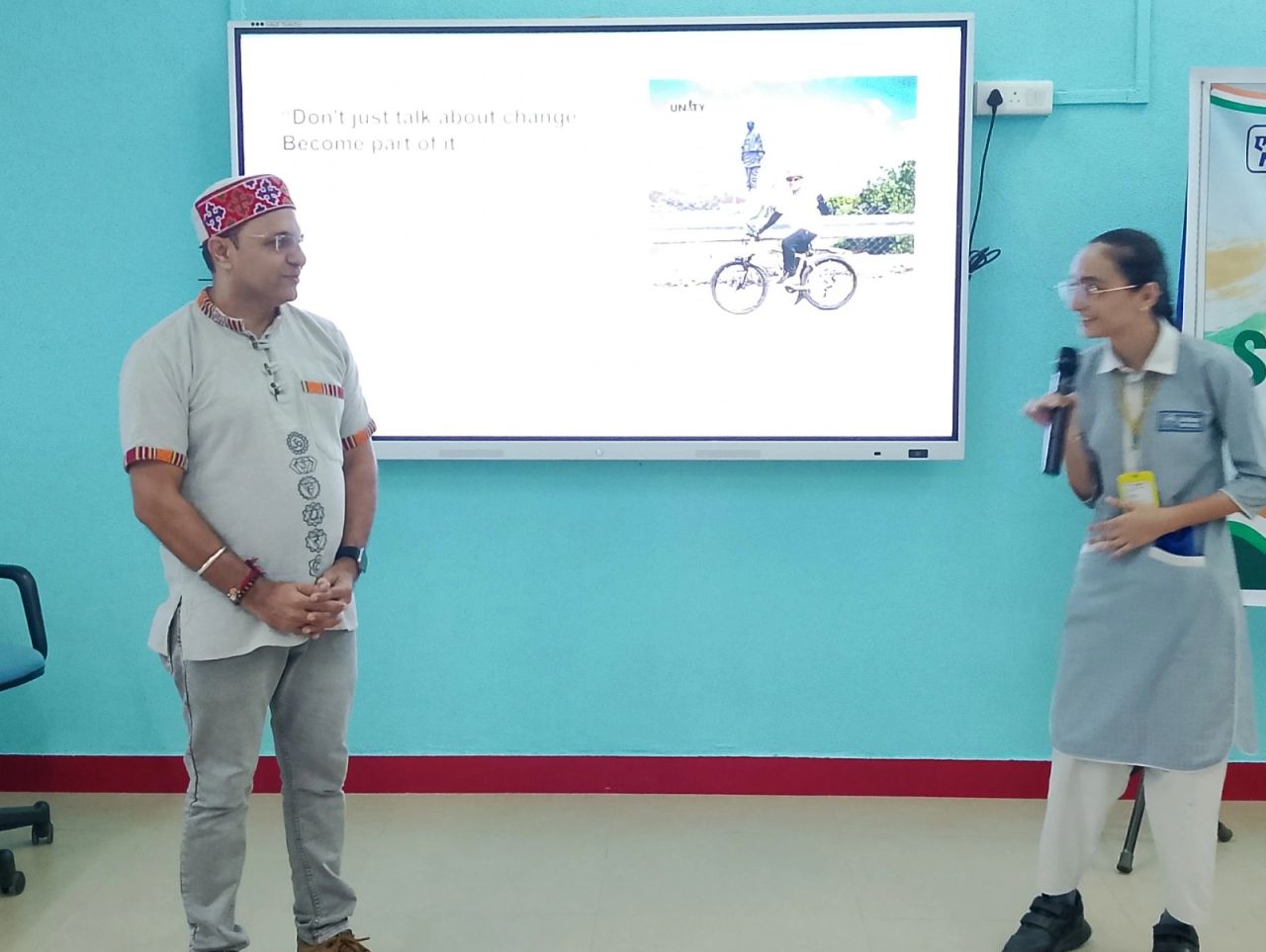
Nitin Tailor, Founder of Serve Happiness Foundation, honoured to be invited by the Bharuch District Management Association (BDMA) and Balbharati School, NTPC Jhanor, to inspire students as part of the Swachhta Hi Seva Campaign 2026, on the theme “Swachhta Mein Sahbhag – Swachh Bharat, Viksit Bharat.”
The interaction was a wonderful opportunity to connect with young minds and discuss a simple but powerful idea: cleanliness is not only the responsibility of the government or sanitation workers—it is the responsibility of every citizen.True cleanliness begins when we stop seeing waste as “someone else’s problem” and start taking ownership of our own surroundings.
Cleanliness Begins with Personal Responsibility
During the session, I encouraged students to think beyond simply keeping their homes and classrooms clean. Our responsibility extends to streets, rivers, public spaces, villages and the natural environment around us. Small everyday habits—using dustbins, avoiding littering, reducing plastic, keeping public places clean and encouraging others—can collectively create a significant impact. clean nation is not created only through large campaigns. It is created through millions of responsible actions performed every day.
Learning Through Narmada Prerna Yatra
I shared experiences from my work around the Narmada and environmental awareness, including a cleanliness initiative undertaken by Narmada Prerna Yatra yatris at Vishal Khadi Ecotourism. Instead of simply discussing environmental responsibility, the yatris experienced it themselves by coming together to clean the surroundings.
This is one of the core ideas behind Prerna Yatra—learning through experience. When we personally participate in a cleanliness drive, plant a tree, protect a river or serve a community, the lesson becomes more meaningful than anything we can learn from a classroom or presentation.
Ordinary People, Extraordinary Change
I also shared inspiring stories of grassroots changemakers who demonstrate that meaningful change can begin with one individual.
One such example is Bittu Tabahi from Madhya Pradesh, who took the initiative to clean a river on his own. His story demonstrates that we do not always need to wait for someone else to take the first step.
I also shared the journey of Ankit Agarwal, Founder of Phool, who found an innovative solution to the problem of discarded flowers from religious rituals entering the Ganga. By transforming these flowers into useful products such as incense, the initiative also created livelihood opportunities for women.
These stories remind us that environmental challenges can also become opportunities for innovation, entrepreneurship and social impact.
Connecting Cleanliness with Culture
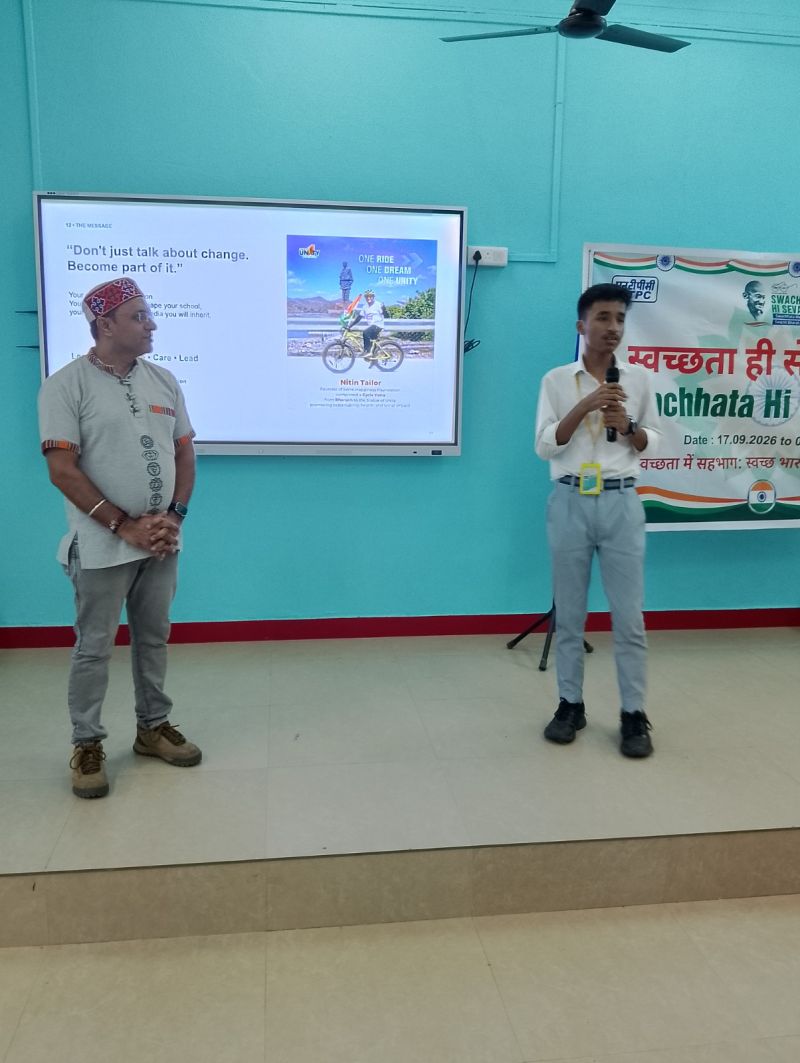
One interesting moment during the interaction was when a student appreciated my traditional attire—a Himachali cap and a kurta representing the seven Kundalini Chakras.
I thanked the student and used the opportunity to share another important thought:
Keeping our surroundings clean is our responsibility, but preserving our culture, traditions and heritage is also our responsibility.
India’s strength lies in its diversity, traditions, knowledge systems and cultural heritage. Young people can play an important role in carrying these values forward while creating a modern and sustainable India.
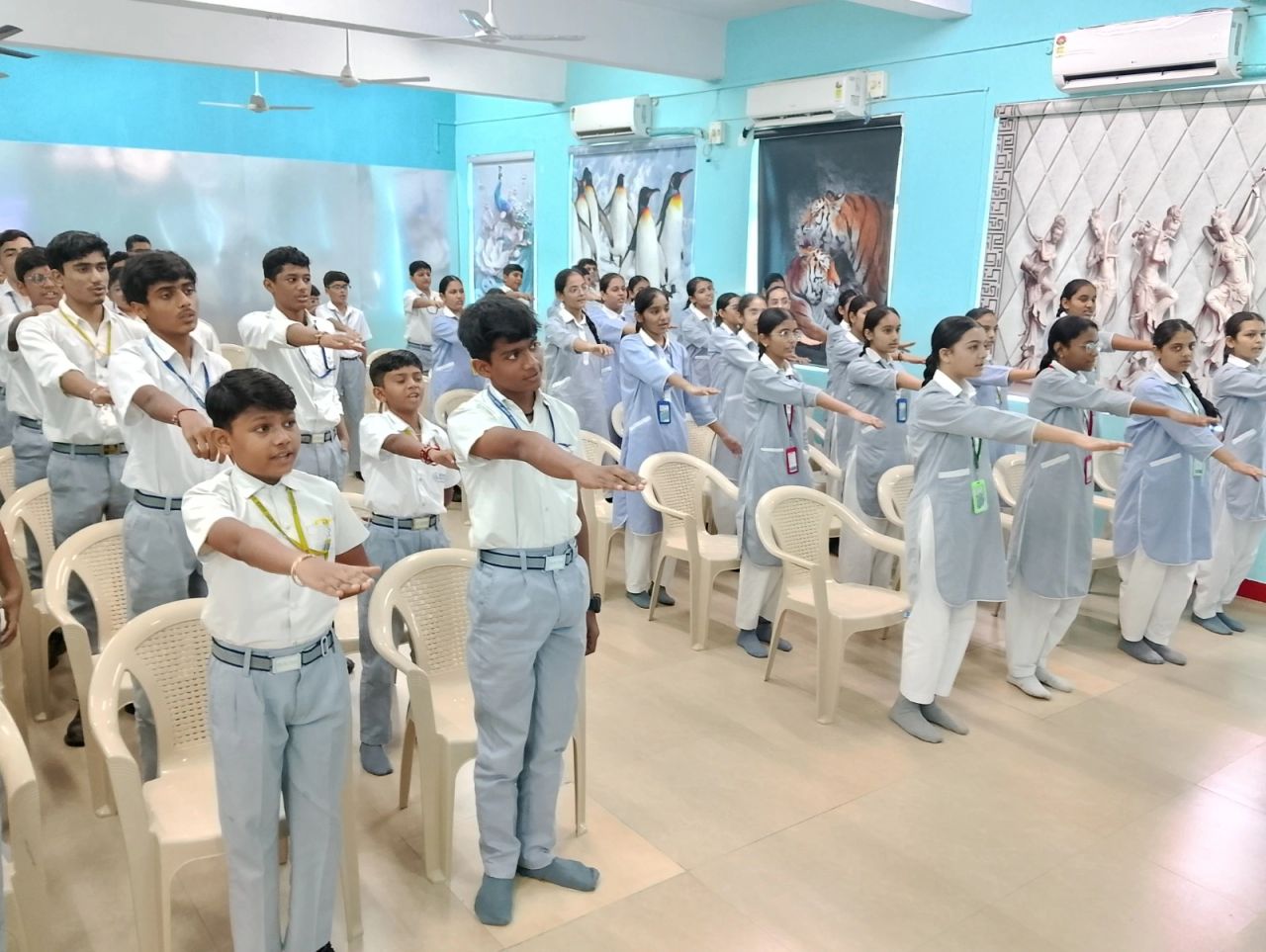
A Powerful Pledge for a Clean India: Young Minds, Big Responsibilities
The most fulfilling part of the session was hearing the students’ positive feedback.Several students shared that the interaction inspired them to take greater personal responsibility for cleanliness and environmental protection.For me, this is the real purpose of such interactions—not simply to deliver a speech, but to encourage young people to reflect, ask questions and take action. Today’s students are not only the leaders of tomorrow. They are citizens and changemakers of today.
The session concluded with one of the most inspiring moments of the day. All the students came together and took a collective pledge to keep our country clean, take responsibility for their surroundings, avoid littering and inspire others to do the same.
Seeing so many young hands raised together was truly inspiring. A pledge becomes meaningful when it is transformed into action. Every student who chooses to use a dustbin, refuses to litter, reduces plastic use or inspires another person becomes a small but important part of India’s cleanliness journey.
Cleanliness begins with me. Change begins with us. Let us teach our children not only to keep their surroundings clean, but also to take responsibility for their society and nation. A Clean India and a Viksit Bharat begin with each one of us. — Nitin Tailor
From Swachhta to Seva
Cleanliness is ultimately about seva—service.
When we clean a public place even when nobody is watching, when we pick up waste that we did not create, when we protect a river that belongs to everyone, we demonstrate a spirit of service and citizenship.
The journey towards Swachh Bharat and Viksit Bharat is not only about infrastructure and policies. It is also about responsible citizens, compassionate communities and young people who are willing to take ownership.